The eight most common causes of car battery corrosion and what you can do
If you’ve ever opened your hood and noticed a white, blue, or greenish buildup around your battery terminals, you’re looking at battery corrosion. While it’s a common issue for many drivers, corrosion on a car’s battery can affect performance and even prevent your vehicle from starting. At Sherwood Ford near Edmonton, we often see battery corrosion during routine vehicle inspections. It’s especially common in climates that experience seasonal temperature swings, like in Alberta. Understanding what causes corrosion on a car battery can help you prevent it and keep your vehicle starting reliably.
Below, we’ll break down the most common reasons car batteries corrode and what you can do.
Eight common causes of car battery corrosion
Battery corrosion typically forms when gases or chemicals escape from the battery and react with the surrounding metal. Eventually, this reaction creates the crusty buildup you may see on the terminals.
Here are some of the most common causes:
Hydrogen Gas Release
Car batteries release hydrogen gas as part of the normal charging process. When this gas escapes through the battery vents, it can react with nearby metals, leading to corrosion around the battery terminals.
Battery Acid Leaks
If a battery is damaged, old, or improperly sealed, small amounts of sulfuric acid may leak out. When this acid comes into contact with the terminals, it can cause noticeable corrosion buildup.
Overcharging the Battery
An overcharged battery can produce excess heat and gas. This increased gas release can accelerate corrosion around the terminals and cables.
Age of the Battery
Most vehicle batteries last between three and five years. As a battery ages, the internal components degrade and become more likely to release gases or leak, both of which can lead to corrosion.
Loose or Damaged Battery Connections
If battery cables aren’t tightly secured to the terminals, electrical resistance can increase. This can generate heat and create conditions that contribute to corrosion.
Overfilled Battery Electrolyte
Some serviceable batteries allow electrolyte levels to be topped up. If the battery is overfilled, the liquid can expand during charging and leak out through vents, causing corrosion.
Copper Terminal Reaction
If corrosion appears blue or green, it may be a reaction between the copper in the battery cables and the battery’s sulfuric acid vapors.
Extreme Temperature Changes
Areas with hot summers and cold winters, like around Edmonton, can cause battery components to expand and contract, potentially increasing the likelihood of leaks or gas release that leads to corrosion.
Why battery corrosion matters
Corrosion doesn’t just look unpleasant; it can interfere with your vehicle’s electrical system when left unchecked. When corrosion builds up on the terminals, it can:
- Reduce electrical conductivity
- Make your vehicle harder to start
- Cause intermittent electrical issues
- Shorten battery life
If left untreated, corrosion can eventually prevent your battery from delivering enough power to start your vehicle.

Frequently asked questions about car battery corrosion
Battery corrosion itself isn’t usually dangerous, but it can indicate acid leaks or electrical issues. It’s best to clean it safely and inspect the battery for damage.
Yes. Corrosion can interfere with the electrical connection between the battery and your vehicle, making it harder for power to flow properly. This can lead to starting problems or reduced battery performance.
If you notice buildup on the terminals:
Turn the vehicle off.
Wear gloves and eye protection.
Clean the terminals with a battery cleaning solution or a mixture of baking soda and water.
Use a brush designed for battery terminals to remove buildup.
Dry the terminals thoroughly and reconnect the cables.
If corrosion returns quickly, the battery may need inspection or replacement.
A few preventative steps include:
Keeping battery terminals clean
Ensuring cables are tightly connected
Applying a battery terminal protectant or dielectric grease
Checking the battery during routine maintenance
Regular inspections can help catch small problems before they turn into larger issues.
Not always. Mild corrosion can often be cleaned. However, if the battery is several years old or corrosion keeps returning, replacement may be the best solution.
It’s a good idea to inspect your battery at least twice a year and during regular service visits. Technicians can check voltage, connections, and overall battery health.
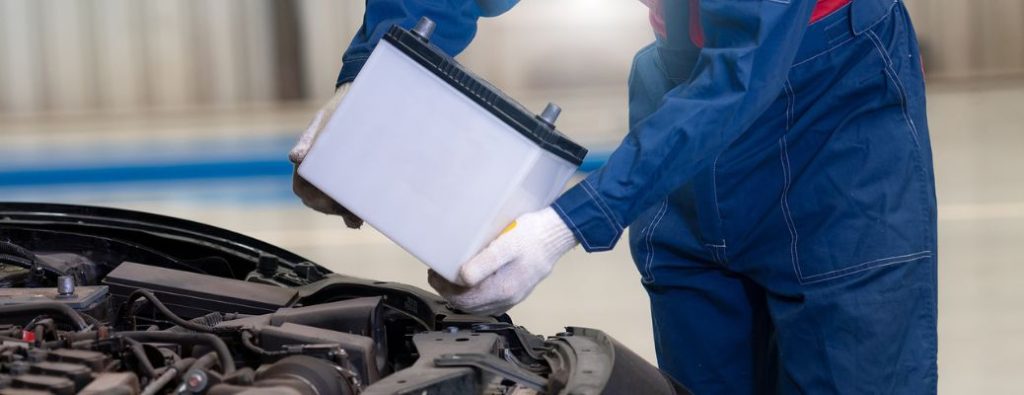
Find car battery service near Edmonton, AB
When you’re experiencing slow starts, electrical issues, or visible battery corrosion, the service team at Sherwood Ford can help. Conveniently located in Sherwood Park just outside Edmonton, our technicians can inspect your battery, clean terminals, and recommend replacement if needed.
Keeping your battery in good condition is one of the simplest ways to ensure your vehicle starts reliably, no matter the season.
Learn more about our services