Which Ford powertrain should you buy?
If you’re shopping for a new Ford at Sherwood Ford in Sherwood Park or Edmonton, AB, you’re probably seeing options like electric, hybrid, and traditional gas engines on the spec sheets. Each powertrain has its strengths, tradeoffs, and ideal buyer profiles. Let’s break down the differences between electric vs hybrid vs gas Ford powertrain options so you can choose the Ford that fits your driving habits, budget, and goals.
Keep reading below for an overview, key differences, a guide to choosing your model, and frequently asked questions.
Ford powertrain overview: electric vs hybrid vs gas
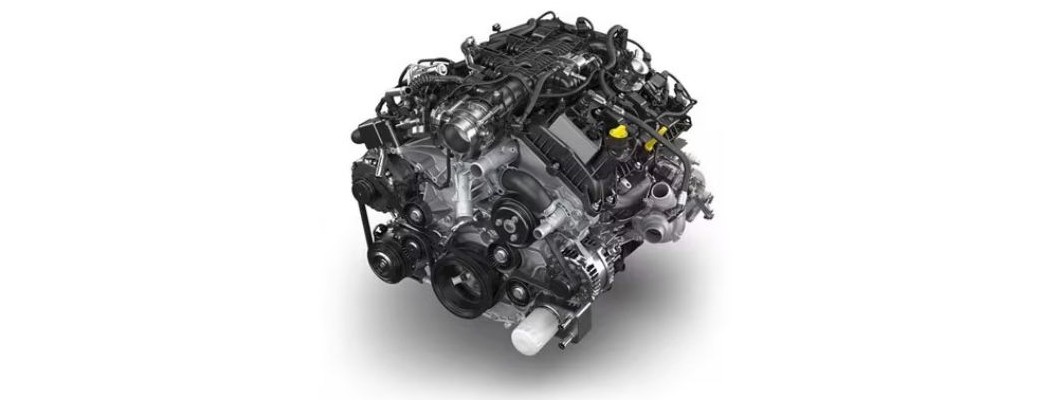
Gas / Internal Combustion (ICE) / EcoBoost
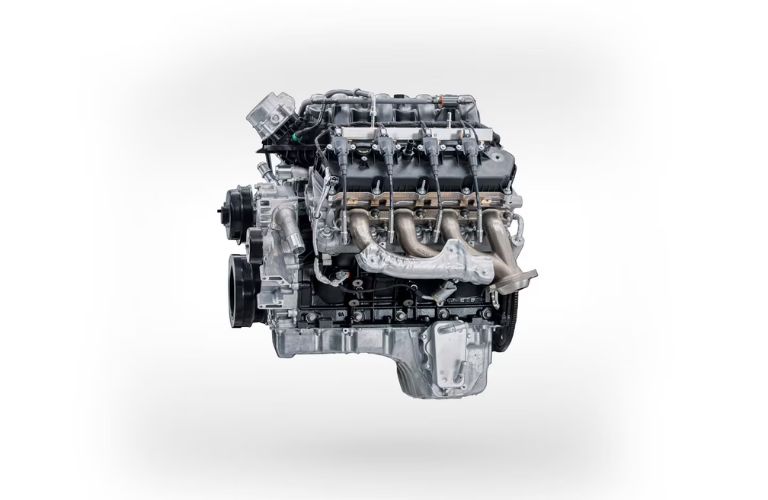
This is the traditional option: one or more gasoline engines (often with turbocharging, direct injection, and variable valve timing such as EcoBoost technology) powering the vehicle.
Pros: widely available refueling, lower up-front cost (in many cases).
Cons: fuel costs, emissions, regular maintenance (oil changes, etc.), less efficiency in stop-and-go driving.
Hybrid (Full Hybrid / Self-Charging Hybrid)
Hybrids combine a gasoline engine with an electric motor (and battery) that can recover energy via regenerative braking.
Pros: better fuel economy (especially in city driving), lower emissions, less reliance on pure gas.
Cons: somewhat higher initial cost, added system complexity.
Plug-in Hybrid (PHEV)
PHEVs are hybrids, but they have a larger battery that can be plugged into external power. This allows electric-only driving for moderate distances before switching to hybrid/gas mode.
Pros: the flexibility of electric-only driving plus gas backup, reduced fuel use when charged.
Cons: higher cost, weight, and complexity.
All-Electric (Battery Electric Vehicle, BEV)
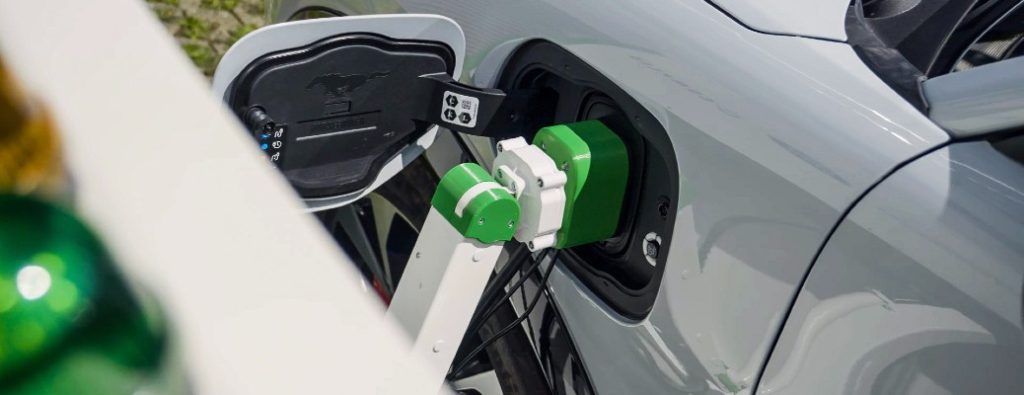
BEVs, also known as EVs, have no gasoline engine at all. The vehicle runs entirely on electric motors and a battery pack, which must be recharged from the electric grid.
Pros: zero tailpipe emissions, lower maintenance (no oil changes, fewer moving parts), instantaneous torque.
Cons: limited driving range (dependent on battery size) and charging infrastructure, higher purchase price (though incentives may offset).

Key differences between Ford fuel types
Fuel source & refueling
- Gas: gasoline from stations
- Hybrid: gasoline + electric assist (self-charging)
- Plug-in Hybrid: gas + larger battery you can plug in
- Electric: no gas; plug in for all range
Range & “range anxiety”
- Gas: long range, quick refueling
- Hybrid: long range, but you benefit less in steady highway cruising
- Plug-in Hybrid: decent electric-only range + gas backup
- Electric: long range limited by battery capacity and charging network
Efficiency & running cost
- Gas: least efficient, highest fuel cost
- Hybrid: better efficiency, especially in stop-and-go
- PHEV: very efficient for short drives
- Electric: lowest “fuel” costs (electricity), fewer maintenance costs
Maintenance & complexity
- Gas: well-known, many parts
- Hybrid / PHEV: more complexity (dual systems)
- Electric: simpler drivetrain, fewer moving parts
Purchase cost & incentives
- Gas: typically, the lowest sticker price (for comparable models)
- Hybrid / PHEV / Electric: often higher sticker, but may benefit from tax credits, incentives

Which Ford powertrain should you buy?
The best choice depends on your driving habits, budget, and priorities. Here’s a rough guide:
- Mostly highway, long drives, limited charging access, remote areas → Gas or Hybrid
- City driving, frequent short trips, home charging available → Plug-in Hybrid or Full Electric
- Desire the lowest emissions and maintenance → Electric
- Need flexibility & peace of mind → Plug-in Hybrid
If you’re unsure, test-driving models from each category can help you decide, for example, a gas-powered Ford, a hybrid like the Escape Hybrid or F-150 PowerBoost, and an all-electric model like a Mustang Mach-E or F-150 Lightning.
FAQ: Electric vs hybrid vs gas Ford powertrains
A hybrid recharges via the engine and regenerative braking and doesn’t need external charging. A plug-in hybrid (PHEV) has a larger battery and can be plugged in to drive some distance purely on electric power before switching to hybrid/gas mode.
Electric motors provide instant torque, which can lead to strong acceleration. However, range, driving dynamics, and load performance vary by model.
It depends on the model and battery capacity. For example, the Mustang Mach-E with an extended-range battery has an EPA-estimated range of ~300 miles under optimal conditions.
Batteries are typically warrantied for several years. The actual lifespan depends on usage, temperature, charging habits, etc.
The charging network is expanding, but availability still lags gas stations in many areas. Home charging is a critical factor.
Tax credits, rebates, utility incentives, reduced registration fees, and more may be available depending on your location and eligibility.
Yes. EVs have fewer fluids, fewer moving parts, no oil changes, no spark plugs, etc. But other components (battery, electric motor, cooling systems) can still incur costs.
Some electric and hybrid models are rated for towing, like the F-150 Lightning.
The vehicle will simply revert to hybrid/gas mode; you lose the electric-only benefit for that trip.
Ford has indicated increasing electrification efforts and plans to offer hybrid versions of all gasoline passenger vehicles by the end of the decade.
About Sherwood Ford from Sherwood Park, AB
At Sherwood Ford, located in Sherwood Park, AB, we take pride in offering the full spectrum of Ford powertrain options, from traditional gas models to hybrids, plug-ins, and electric vehicles. Our sales team is well-versed in explaining the real-world tradeoffs of each choice, and our service department is equipped to support all of them. Whether you’re curious about charging stations, maintenance schedules, or the total cost of ownership, we’re here to help you make a confident decision. Stop by for a test drive or a consultation. We want you to drive away in the Ford that’s truly best for you.
Relevant links